
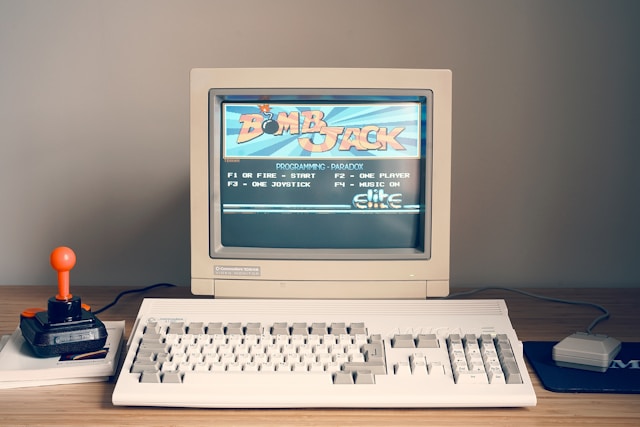
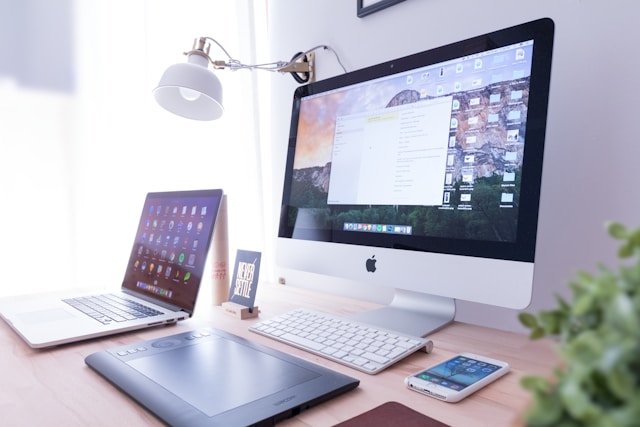
The history of computing is commonly divided into five distinct “generations,” each defined by the underlying technology that powered the machines. Understanding these generations reveals how computers evolved from room-sized government tools to the pocket-sized, AI-powered devices we use today.
First Generation (1940s–1950s): Vacuum Tubes
The first generation of computers used vacuum tubes as their primary electronic components . These tubes acted as switches, allowing electrical current to flow or stop, representing the 1s and 0s of binary data.
Characteristics:
- Huge physical size: Machines like ENIAC filled entire rooms
- High power consumption: Vacuum tubes generated enormous heat
- Unreliable: Tubes frequently burned out
- Limited memory: Magnetic drums and punch cards for storage
- Machine language programming: Programs were written in binary
Key machines: ENIAC (1946), EDVAC (1949), UNIVAC I (1951) . The IBM 650 (1953) was the first mass-produced computer of this generation .
Second Generation (1959–1965): Transistors
The invention of the transistor in 1947 at Bell Labs marked the beginning of the second generation . Transistors replaced vacuum tubes, revolutionizing computing.
Advantages over vacuum tubes:
- Much smaller and lighter
- More reliable: No fragile glass tubes to burn out
- Less power consumption: Less heat generated
- Faster operation: Up to 10,000 calculations per second
This generation also introduced high-level programming languages like FORTRAN (1957) and COBOL (1960), making programming accessible to more people . Magnetic tape and disk storage became common . Key machines include the IBM 7090 (1958) and the UNIVAC 1103A (1956) .
Third Generation (1965–1971): Integrated Circuits
The integrated circuit (IC) , invented independently by Jack Kilby and Robert Noyce in 1958, allowed thousands of transistors to be placed on a single silicon chip . This was the defining technology of the third generation .
Impact:
- Dramatically smaller and cheaper computers
- Faster and more reliable than transistor-based machines
- Keyboards and monitors replaced punch cards for input/output
- Operating systems emerged, allowing multiple programs to run simultaneously
The IBM System/360 (1964) was the first major computer family to use integrated circuits and became one of the most successful computer lines in history . Minicomputers like the DEC PDP-1 (1961) also emerged, bringing computing to smaller organizations .
Fourth Generation (1971–Present): Microprocessors
The microprocessor—an entire CPU on a single chip—was introduced by Intel in 1971 . This is the defining technology of the fourth generation and continues to this day.
The microprocessor made possible:
- Personal computers: Altair (1975), Apple II (1977), IBM PC (1981)
- Home computers: Commodore 64, Tandy, Sinclair
- Pocket calculators and later smartphones
This generation saw the rise of Microsoft and Apple, the graphical user interface (GUI), and the Internet revolution . Intel’s x86 processor line, introduced in the late 1970s, became the standard for PCs .
Fifth Generation: Artificial Intelligence and Beyond
The fifth generation of computing is defined by artificial intelligence . While the term was coined in the 1950s, practical AI applications have only become widespread in recent decades.
Key developments include:
- 1997: IBM’s Deep Blue defeats chess champion Garry Kasparov
- 2011: IBM’s Watson wins Jeopardy!
- 2016: Google’s AlphaGo beats a human Go champion
- Modern advances in natural language processing, self-driving cars, and large language models
The fifth generation also encompasses parallel computing, supercomputers, and quantum computing . As we look forward, artificial general intelligence (AGI) remains the ultimate goal.
Conclusion: Generations That Continue to Evolve
The generations of computers reflect a steady trajectory of miniaturization, increased speed, and greater accessibility. Each generation built upon the previous one, transforming computers from expensive government tools into devices that connect the entire world.